One week you feel fine.
The next week your body feels off.
Your mood changes fast.
Your sleep gets lighter.
Your body holds onto weight you didn’t have before.
And no matter how clean you eat or how hard you try… something feels out of balance.
If that sounds familiar, you’re not imagining it.
Many women are dealing with something called estrogen dominance.
And it’s often misunderstood.
What Estrogen Dominance Really Feels Like
It doesn’t show up as one clear sign.
It shows up as a pattern:
- Heavy or irregular cycles
- Bloating that comes and goes
- Breast tenderness
- Mood swings or irritability
- Trouble sleeping
- Brain fog
- Weight gain around the hips and waist
And the frustrating part…
You can be doing “everything right” and still feel off.
What’s Actually Going On
Most people are told estrogen is the problem.
And it’s not that simple.
Estrogen isn’t the enemy.
Your body needs it.
The real issue is the imbalance.
Low or dropping progesterone
and
Fluctuating estrogen levels
That ratio matters more than either hormone alone.
When progesterone falls behind, estrogen starts to feel stronger in the body.
Even if your estrogen levels are “normal.”
That’s why so many women get told their labs look fine…
and still don’t feel fine.
Why What You’ve Tried Hasn’t Worked
A lot of solutions focus on “balancing hormones” in a general way.
And that sounds good…
And it often leads nowhere.
Because:
❌ Many supplements are filled with fillers and weak doses
❌ Some formulas ignore progesterone completely
❌ Others add ingredients that don’t support real hormone pathways
So you take something…
wait…
and nothing really changes.
Not because your body is broken.
Because the approach missed the real problem.
A More Honest Way to Look at It
When you support the balance between estrogen and progesterone…
Your body can start to respond differently.
Things may begin to feel more stable.
Less reactive.
More like you again.
And that’s the goal.
Not to fight your body.
And not to overload it.
Just to give it what it’s been missing.
You’ll find options on this page designed around that idea.
Clean. Focused. No unnecessary fillers.
You can look through them and decide what makes sense for you.
Because at the end of the day…
you know when something in your body feels off.
And you also know when something finally starts to feel right.
Suggested Protocol For Estrogen Dominance Symptoms
- Start with progesterone-only therapy.
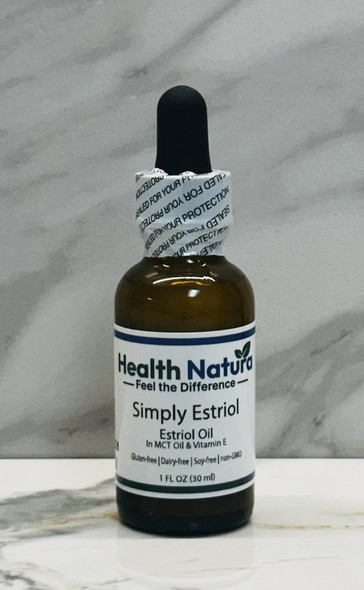
- If you are not seeing results with progesterone-only after 12-18 weeks, add Estriol.
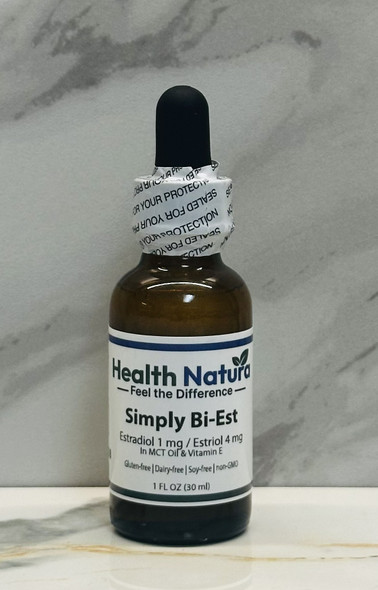
- If no response or incomplete resolution with Estriol after 6-12 weeks, switch to Bi-Est.
- Remember: Always start with a low dose and gradually build up. The goal with hormones is to find the lowest effective dose for your symptoms or the best combination that allows for a lower dose.
- Research shows that combination progesterone/estrogen therapy is 90% more effective at relieving symptoms than progesterone alone. Even in estrogen dominance, the pattern of symptoms depends on the ratio between the two hormones, and most often, estrogen levels are low as well, just not in balance with progesterone.
- Note: If you have a uterus, never use estrogen therapy alone. Always combine estrogen with progesterone for the cancer preventative benefits. To enhance this benefit, apply the progesterone to the genitals (vulva, inner & outer labia).
- Dosage note: If you are perimenopausal, you will need higher doses than if you are menopausal or postmenopausal.
Progesterone Dosage Range Based On Life Stage:
- Perimenopausal Regular Cycle: up to 200 mg per day. (If menstruating regularly, cycle the progesterone by using it for 12 to 14 days during your cycle's second half, typically days 14 through 28. If your cycle has become irregular, follow the guidelines in section 2.) Note: Dosage requirements can fluctuate during this early phase. If you are feeling overly sedated, reduce the dose. If your symptoms reappear, increase the dose.
- Perimenopause Irregular Cycle: up to 150 mg per day. Gradually adjust the dose down from perimenopausal levels to the minimum needed to keep symptoms in remission. As your cycle changes, so do your hormonal requirements. No more cycling is required. (Once menstruation becomes irregular, progesterone requirements change. Switch from cyclical use as outlined in section 1 and start with continuous use.)
- Menopause Cycle Has Stopped: up to 100 mg daily. Use continuously, no need to cycle. Gradually adjust dose down to the minimum needed to maintain symptom remission.
Progesterone Application Locations
Apply to soft inner skin and rotate application locations to minimize tissue saturation. All of our products are for topical use only.
Best locations for systemic absorption: Progesterone can be applied to the face, inner arms, upper chest, inner thighs, and lower abdomen. Avoid direct application to the breast to prevent progesterone buildup in breast tissue.
Best location for uterine protection: The best application location that focuses progesterone concentration in uterine tissue is the genitalia: vulva, inner & outer labia. This zone preferentially absorbs hormones and does not need to be rotated, unlike the other skin types listed above.
- Gum and Oral use is not advised as these routes promote the highest conversion of progesterone to allopregnenolone and produce the most side effects. OTC hormones are legal for topical and cosmetic use only.
- Transdermal application yields the highest and most steady blood levels of active progesterone.
Estriol Dosage Range Based On Life Stage:
- Perimenopausal Regular Cycle: up to 200 mg per day. (If menstruating regularly, cycle the progesterone by using it for 12 to 14 days during your cycle's second half, typically days 14 through 28. If your cycle has become irregular, follow the guidelines in section 2.) Note: Dosage requirements can fluctuate during this early phase. If you are feeling overly sedated, reduce the dose. If your symptoms reappear, increase the dose.
- Perimenopause Irregular Cycle: up to 150 mg per day. Gradually adjust the dose down from perimenopausal levels to the minimum needed to keep symptoms in remission. As your cycle changes, so do your hormonal requirements. No more cycling is required. (Once menstruation becomes irregular, progesterone requirements change. Switch from cyclical use as outlined in section 1 and start with continuous use.)
- Menopause Cycle Has Stopped: up to 100 mg daily. Use continuously, no need to cycle. Gradually adjust dose down to the minimum needed to maintain symptom remission.
For educational purposes only. This is not medical advice. Results may vary.
Articles:
Progesterone for Perimenopause: Why Adding Estriol Makes All the Difference