

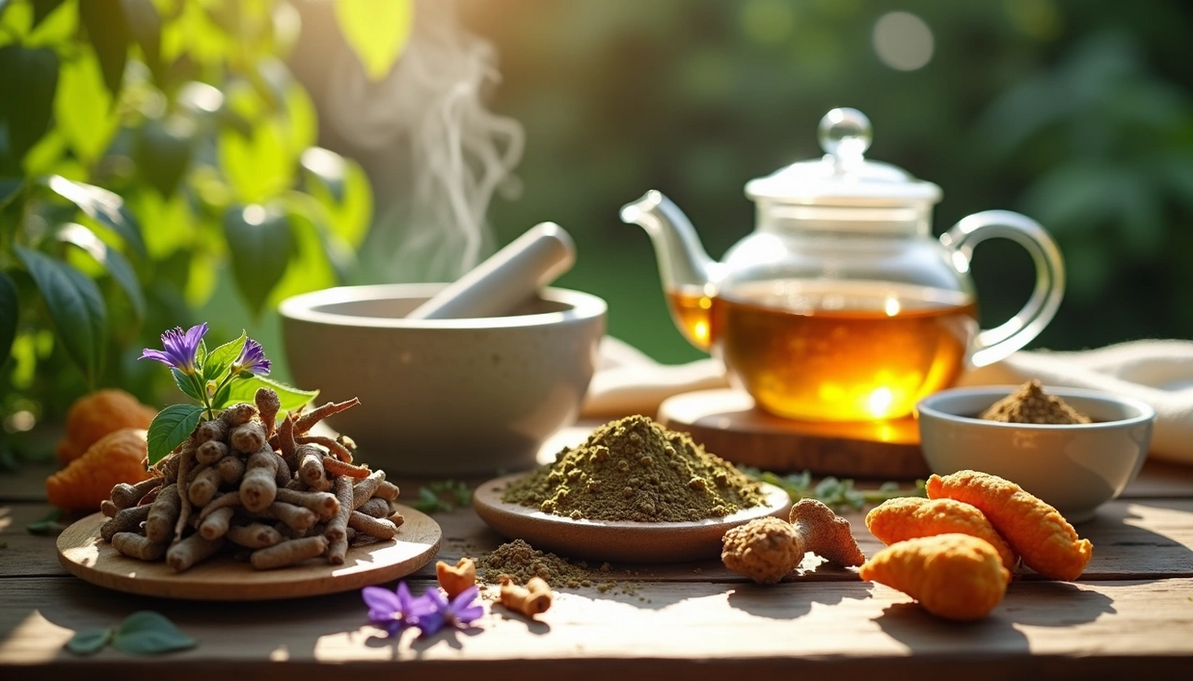
Do Adaptogenic Herbs Actually Work for Hormone Balance? Science-Backed Truth
Adaptogenic herbs for hormone balance have attracted attention as studies reveal up to 80% of women experience hormone imbalances during their lifetime. Almost half of U.S. women between 30 and 60 years old have experienced hormone imbalance symptoms. These problems are systemic and often stem from stress. Research shows that hormone levels can jump 2- to 5-fold when people face stressful situations.
Stress and hormonal health are closely connected. Adaptogens, natural substances found in herbs and plants, help our bodies cope with physical, emotional, and environmental stress. These remarkable herbs normalize endocrine function and help us adapt to environmental stressors. For example, Withania somnifera (ashwagandha) reduces serum cortisol levels by a substantial amount in mentally stressed healthy adults after 56 or 60 days of treatment.
This piece will explore the science behind adaptogenic herbs for female hormone balance. We'll get into how adaptogens for cortisol and stress work and learn about whether these herbs for adrenal fatigue live up to their claims. The market's growth tells an interesting story: the global herbal medicine market, which includes adaptogens, reached USD 151.91 billion in 2021. Experts expect this value to more than double by 2029.
Got questions? Ask the author in the comments section at the bottom of this page.
What are adaptogenic herbs, and how do they work?
The story of adaptogenic herbs dates back to the 1940s Soviet Union, where scientist N. Lazarev first coined the term while studying Schisandra chinensis [1]. Scientists originally developed these herbs to improve the performance of soldiers and athletes. These remarkable plant compounds are now known to help the body resist many types of stressors.
Definition and adaptogenic meaning
Adaptogenic herbs stand apart from regular herbs. They must meet three specific criteria to earn their classification:
- Non-toxic at normal doses: Safe for long-term consumption without harmful effects
- Non-specific action: Increase resistance to a broad spectrum of biological, chemical, and physical stressors
- Normalizing influence: Help return the body to balance (homeostasis), whatever the direction of disruption [2]
These herbs act as "metabolic regulators," improving the body's capacity to adapt to environmental factors and avoid damage from such challenges [3]. This explains why herbs like ashwagandha, rhodiola, and schisandra have been used in traditional medicine systems for centuries before science confirmed their mechanisms.
Many plants are incorrectly marketed as adaptogens. Only about 15 botanicals have enough clinical evidence to qualify [4]. These include Rhodiola rosea, Ashwagandha (Withania somnifera), Schisandra chinensis, Eleuthero (Siberian ginseng), and a handful of others that showed bidirectional effects on stress physiology.
How they interact with the HPA axis
Adaptogenic herbs balance hormones by modulating the hypothalamic-pituitary-adrenal (HPA) axis—the body's central stress command system [5]. Your hypothalamus releases corticotropin-releasing hormone (CRH) when you face stress. This triggers your pituitary to release adrenocorticotropic hormone (ACTH), which then signals your adrenal glands to produce cortisol [4].
These herbs don't just suppress or stimulate this system - they regulate it intelligently. They can help reduce elevated cortisol levels caused by chronic stress. They can also help restore proper function if cortisol levels are depleted due to long-term stress [6].
New molecular research shows that adaptogens affect at least 88 genes associated with stress response signaling pathways [7]. They activate adaptive signaling networks, including neurohormones, G-protein-coupled receptors, and molecular chaperones, which are vital for defense responses and homeostasis regulation [7].
These herbs also help restore intracellular glucocorticoid receptor sensitivity in the hypothalamus and pituitary. This reinstates negative feedback mechanisms that prevent cortisol overproduction [8]. This explains why they work so well for cortisol regulation.
Difference between adaptogens and stimulants
Adaptogenic herbs work nowhere near the same way as stimulants like caffeine, though both provide energy. This difference matters a lot for people looking for herbs for adrenal fatigue support.
We used stimulants mainly to target the central nervous system. They block adenosine receptors and spike adrenaline for quick alertness. Sharp energy spikes follow, then crashes, often increasing tension over time [4].
Adaptogens take a different approach. They balance the HPA axis and regulate cortisol naturally. They help your body adapt to pressure and restore balance in the brain's stress circuitry instead of masking fatigue through forced alertness [4].
Stimulants can disrupt sleep patterns and require increasing doses as tolerance builds up. Adaptogens support healthy sleep and usually become more effective over time [4]. Their energy-boosting effects develop gradually over days or weeks without crashes, withdrawal symptoms, or dependency issues [4].
This basic difference shows why adaptogenic herbs support female hormone balance sustainably without the drawbacks of stimulants or conventional medications.
How stress and cortisol affect hormone balance
The complex connection between stress and our hormonal systems helps explain why adaptogenic herbs for hormone balance have become so popular. Our body's stress response is a finely tuned mechanism that's vital for survival, but can cause problems when it stays active too long.
The role of cortisol in hormone disruption
The adrenal glands produce cortisol, often called the "stress hormone," as part of our body's stress response system. Cortisol follows a daily rhythm under normal conditions. It peaks in the morning to help us wake up and gradually declines throughout the day [9]. This powerful steroid hormone serves vital functions in metabolism, immune function, blood pressure regulation, and energy distribution [9].
The biggest problem starts when stress becomes chronic. The adaptive stress response relies on a highly interconnected neuroendocrine system. Long-term activation of this system can seriously affect body homeostasis [9]. This disruption happens because high cortisol levels throw off the balance of our entire hormonal system.
Long-term high cortisol causes several concerning changes:
- Altered hormone production pathways: Stress hormones can change how other hormones vital for immune function are released [10]
- Increased binding proteins: High cortisol can raise thyroid binding globulin (TBG) levels, which stops thyroid hormones from circulating properly [11]
- Disrupted feedback mechanisms: The negative feedback control that usually regulates hormone production stops working correctly [9]
What starts as a helpful response to danger becomes a major source of hormonal chaos.
Impact on thyroid, estrogen, and testosterone
Stress affects our primary hormones in troubling ways. Cortisol interferes with thyroid function at multiple levels. During long-term stress, the endocrine system secretes hormones that suppress thyroid hormone production (TSH, T3, and T4) [11]. On top of that, cortisol reduces how well T4 converts to T3 (the active thyroid hormone), which slows down your metabolism [11].
Estrogen and cortisol share a complex relationship. High cortisol levels from chronic stress can suppress ovulation, potentially leading to lower estrogen levels [10]. High estrogen levels can increase cortisol-binding globulin concentration, creating an ongoing cycle of imbalance [10].
Testosterone faces similar challenges. High cortisol levels reduce testosterone [2]. Both men and women need testosterone. It supports muscle mass, bone marrow production, metabolism, sleep quality, and libido [2]. Low testosterone leads to weight gain, mood changes, and reproductive issues.
Chronic stress and adrenal fatigue
"Adrenal fatigue" has caught public attention. The theory suggests that long-term stress wears out the adrenal glands, leading to low cortisol production [12]. People with this condition feel tired, have trouble sleeping, crave salt and sugar, and depend on stimulants [13].
Despite this, major medical organizations state that there's insufficient scientific evidence to support adrenal fatigue as a valid medical condition [13]. Scientists have demonstrated that chronic stress alters HPA axis function, which can lead to cortisol dysregulation [14].
"HPA axis dysfunction" better describes what happens during chronic stress. Constant glucocorticoid release can make the HPA axis less sensitive over time, causing cortisol resistance [15]. This resistance plays a role in many conditions, including depression, anxiety, osteoporosis, decreased immune function, and metabolic disorders [16].
Learning about these mechanisms shows why people increasingly turn to adaptogenic herbs for cortisol regulation and herbs for adrenal fatigue as natural ways to support hormone balance.
Top adaptogenic herbs for hormone balance
Research shows several adaptogenic herbs can restore hormonal balance naturally. These remedies work through different pathways to curb chronic stress effects on your endocrine system.
Ashwagandha: cortisol and thyroid support
Ashwagandha (Withania somnifera) ranks among the most powerful adaptogenic herbs that balance hormones. This ancient Ayurvedic herb directly affects the HPA axis and markedly reduces serum cortisol levels in stressed individuals [17]. Higher doses of 500-600 mg/day show better results than lower amounts.
The herb's benefits go beyond stress management. It boosts thyroid function by increasing T3 and T4 hormone secretion. An 8-week study of people with subclinical hypothyroidism showed that ashwagandha root extract (300mg twice daily) increased T4 and T3 levels while reducing TSH by a lot [18]. This makes it valuable, especially when you have stress-related thyroid issues.
Rhodiola: energy and adrenal function
Rhodiola rosea balances stress hormones while building energy reserves. Unlike stimulants, it helps normalize cortisol production during stressful times [19].
This powerful adaptogen influences neurotransmitter levels and activity, including serotonin, dopamine, and norepinephrine [8]. It also increases blood-brain barrier permeability to the precursors of these neurotransmitters, thereby optimizing their effects on the central nervous system.
Cordyceps: stress response and testosterone
Cordyceps fungi provide unique hormonal harmony benefits, particularly for testosterone. Studies reveal that Cordyceps militaris extract maintains serum testosterone levels while preventing testosterone-induced prostate hypertrophy [1]. This dual action makes it ideal for hormone balance.
Research shows that cordycepin, a key component of Cordyceps, increases testosterone secretion up to threefold at higher concentrations [20]. Health Natura's BioActive Adrenal Support gives balanced adaptogenic support to optimize hormone levels naturally.
Burdock: cellular resilience and DHEA-S
Burdock root (Arctium lappa) excels at supporting DHEA-S, a vital hormone precursor. Research found higher post-test serum DHEA-S levels in people taking burdock root extract compared to control groups [21].
DHEA-S levels linked positively with lean body mass changes, suggesting burdock helps maintain healthy body composition [21]. Because DHEA is converted to testosterone and estradiol, this adaptogen provides comprehensive hormonal support [21].
How to use adaptogens safely and effectively
Adding adaptogenic herbs for hormone balance to your daily routine requires a proper understanding of their appropriate use. Expert guidelines will help you get maximum benefits and minimize potential risks.
Choosing the right form: tincture, capsule, powder
Each adaptogen form gives you different advantages. Tinctures have better bioavailability because alcohol helps medicinal plant constituents absorb straight into your bloodstream. This bypasses digestion and works faster [4]. You can control doses precisely down to the drop, which makes them perfect for tailored regimens.
Capsules are convenient because they provide standard doses. Ashwagandha capsules usually contain 1-6 grams of dry root daily or 500mg of standardized extract twice daily [23]. Powders are versatile and mix well with smoothies, beverages, or foods. The taste might be challenging for some people.
Best times to take adaptogens
The timing of adaptogen use substantially affects their efficacy. Most adaptogens work best on an empty stomach [4]. Some adaptogens work better at specific times - energizing herbs like rhodiola are great in the morning. Calming ones like ashwagandha might work better in the evening [24].
Your body chemistry plays a key role. One herbalist shares, "Ashwagandha is slightly stimulating for me, so I take it mornings only. Yet many menopausal women need both morning and evening doses to balance the hypothalamus and reduce hot flashes" [25].
Cycling and dosage recommendations
Continuous adaptogen use might not work as well over time. Research shows that these herbs are most effective when used for less than six months because the body may develop resistance [23]. Many experts suggest cycling - using adaptogens for several weeks, followed by short breaks to keep them effective [24].
Begin with small amounts of one or two adaptogens and track how your body responds before adding more [26]. Health Natura's BioActive Adrenal Support gives balanced adaptogenic support with fine-tuned ingredients that help maintain effective dosing.
Combining adaptogens with other herbs
Traditional Ayurvedic principles suggest that adaptogens are most effective in thoughtful combinations. These mixtures use primary ingredients with secondary herbs that enhance absorption, strengthen efficacy, and reduce adverse effects [27].
Quality verification through third-party organizations like NSF International or USP is essential before starting any adaptogen regimen [3]. Note that supplements don't get the same FDA regulation as pharmaceuticals [28].
Who should avoid adaptogens and why
Adaptogenic herbs to balance hormones have become popular, but they're not right for everyone. Learning about what it all means will help you use them safely on your wellness trip.
Potential side effects and interactions
These herbs are usually safe, but some people experience dizziness, headaches, anxiety, drowsiness, or digestive problems [23]. The timing of when you take them matters—energizing adaptogens like BioActive Adrenal Support might keep you awake if taken too late [29]. Cortisol Blancer with ashwagandha can be sedating. Some combinations can be risky: ashwagandha with sedatives could make you too drowsy, and rhodiola mixed with caffeine might trigger anxiety or heart palpitations [30].
Conditions that require caution
Healthcare approval is necessary for pregnant or breastfeeding women before using adaptogenic herbs [31]. People with autoimmune conditions should exercise caution, as these herbs can enhance immune activity [30]. You need to be extra careful if you have high blood pressure, diabetes, bleeding disorders, or hormone-sensitive conditions [32].
When to consult a healthcare provider
Adaptogens can interact with medications for depression, high blood pressure, diabetes, and insomnia [7]. Medical guidance is crucial. This becomes even more important since 9% of adverse events with antidepressants involve adaptogen interactions [6]. Supplements aren't FDA-regulated like pharmaceuticals [5]. You should talk to your healthcare provider before starting adaptogens, especially when you have prescription medications or health concerns.
Conclusion
Adaptogens show promise in supporting hormone balance by knowing how to adjust stress responses. These powerful herbs have demonstrated clear benefits for cortisol regulation, thyroid function, and overall hormonal health, though Western medicine has only recently discovered them. Their bidirectional action distinguishes them from conventional remedies—they help restore natural balance, regardless of the direction of disruption, rather than merely stimulating or suppressing bodily systems.
Research definitely supports using specific adaptogens like ashwagandha, rhodiola, and holy basil to address stress-related hormonal challenges. Your body's existing mechanisms work in harmony with these herbs, especially when you have HPA axis involvement, to boost resilience against stressors. Unlike stimulants that cause temporary energy spikes and crashes, adaptogens provide steady support without creating dependency or withdrawal issues.
Safety comes first when you think about adaptogenic herbs for hormone balance. These herbs have an excellent safety profile, but they might not work for everyone. People who have autoimmune conditions, are pregnant, or take certain medications need to be careful. The effectiveness of herbs largely depends on proper administration—appropriate dosing, cycling periods, and quality product selection.
Understanding adaptogens' benefits and limitations helps you make informed decisions about your hormonal health. These remarkable plants are worth thinking about if you struggle with stress-induced thyroid issues, cortisol imbalance, or reproductive hormone concerns. They work best as part of a detailed strategy that has proper nutrition, quality sleep, and stress management techniques.
Make sure to ask a healthcare provider who knows about botanical medicine before starting any adaptogen regimen, especially if you take prescription medications. This careful approach helps you get the full benefits of these powerful herbs while keeping risks low. Your path to hormonal balance needs individual-specific care rather than one-size-fits-all solutions.
Key Takeaways
Adaptogenic herbs show real promise for hormone balance by intelligently regulating your body's stress response rather than simply masking symptoms like stimulants do.
• Adaptogens work by modulating the HPA axis - They help normalize cortisol production and restore balance to your body's central stress command system.
• Chronic stress disrupts multiple hormones - Elevated cortisol interferes with thyroid function, estrogen, and testosterone, creating a cascade of hormonal imbalances.
• Five key adaptogens show strong research support - Ashwagandha reduces cortisol and supports thyroid, while rhodiola, cordyceps, burdock, and holy basil each target specific hormonal pathways.
• Proper timing and cycling maximize effectiveness - Take most adaptogens on an empty stomach, cycle usage to prevent tolerance, and avoid continuous use beyond six months.
• Safety considerations are crucial - Pregnant women, those with autoimmune conditions, and people on medications should consult healthcare providers before starting any adaptogen regimen.
The science reveals that adaptogens offer a sustainable, natural approach to hormone balance by working with your body's existing mechanisms rather than against them. However, they're most effective as part of a comprehensive wellness strategy that includes proper nutrition, quality sleep, and stress management.
FAQs
Q1. How do adaptogenic herbs help with hormone balance? Adaptogenic herbs work by modulating the body's stress response system, particularly the HPA axis. They can help regulate cortisol levels and support the balance of other hormones, such as thyroid hormones, estrogen, and testosterone. By promoting overall endocrine system balance, adaptogens may help alleviate symptoms of hormone imbalance.
Q2. What are some of the most effective adaptogenic herbs for hormone health? Some of the most researched and effective adaptogenic herbs for hormone balance include ashwagandha, which supports cortisol and thyroid function; rhodiola, which helps with energy and adrenal function; and holy basil, which aids in managing stress response and blood sugar levels. Cordyceps and burdock root are also beneficial for various aspects of hormonal health.
Q3. Are adaptogenic herbs safe for everyone to use? While adaptogenic herbs are generally considered safe for most people, they're not suitable for everyone. Pregnant or breastfeeding women, people with autoimmune conditions, and those taking certain medications should consult with a healthcare provider before using adaptogens. It's always best to seek professional guidance, especially if you have existing health concerns.
Q4. How long does it take to see results from using adaptogenic herbs? The time it takes to see results from adaptogenic herbs can vary depending on the individual and the specific herb used. Some people may notice improvements in energy levels and stress response within a few days to weeks. However, for more significant hormonal balancing effects, it may take several weeks to months of consistent use.
Q5. Can adaptogenic herbs replace conventional hormone treatments? While adaptogenic herbs can be a valuable tool for supporting hormone balance, they should not be considered a replacement for conventional hormone treatments without medical supervision. Adaptogens work best as part of a comprehensive approach to health, which may include proper nutrition, stress management, and in some cases, conventional medical treatments. Always consult with a healthcare provider before making changes to your hormone management plan.
Got questions? Ask the author in the comments section at the bottom of this page.
Dr. Peter Kassner, NMD - Biography
Dr. Peter Kassner, NMD, is the founding CEO of Health Natura, bringing 29 years of painstaking dedication to the field of naturopathic medicine. His journey in natural healing began in 1993 at the age of 17, when he embarked on his first apprenticeship before even completing high school...
Dr. Kassner established his first pain clinic, Clinical Therapeutics, in Tuscaloosa, Alabama, in 1996. This eventually evolved into Health Natura, LLC in 2005, reflecting his expanded mission to make Integrative Medicine accessible to those seeking alternatives to conventional treatments.
Throughout his clinical career, Dr. Kassner developed Unparalleled Expertise in immunology, cancer treatment protocols, endocrinology, acute and chronic infectious disease management, neuro-immunology, endocrine-immunology, thyroid iodine therapy, and Lyme disease interventions. His extensive training includes certifications in clinical massage, cranial sacral therapy, energy medicine, homeopathy, herbology, Chinese herbology, acupuncture, reflexology, EAV energy diagnostics, IV chelation, chemistry, and supplement compounding.
After obtaining both Masters and Doctoral degrees in Naturopathic Medicine, in 2005, dissatisfied with the state of commercial supplements, Dr. Kassner established Health Natura's first laboratory, specializing in Custom Compounding of preservative-free, excipient-free formulations with minimal ingredients. This commitment to purity and efficacy led him to retire from clinical practice in 2012 to focus entirely on Health Natura's supplement program.
Dr. Kassner's approach to naturopathic medicine has been profoundly shaped by his extensive travels throughout Western countries and Asia, where he studied diverse healing traditions. This global perspective informs his unique philosophy: delivering High-Quality, Personalized Wellness Solutions rather than mass-produced alternatives with compromised ingredients...
Today, Dr. Kassner continues to revolutionize the supplement industry through careful formulation and ethical sourcing, making Health Natura a trusted resource for those seeking superior natural health products.
* These statements have not been evaluated by the FDA (Food and Drug Administration). This product is not intended to treat, cure or prevent any disease. Statements of potential therapeutic value are the opinion of Dr. Kassner, ND, and are based on his personal and clinical experience. They should not be construed to endorse, condone or promote the use of any product as a medical treatment for any condition. Consult a medical professional before engaging in any self-care or nutritional supplement regimen to ensure safe and appropriate use.
Dr. Kassner has been active in the field of alternative medicine since 1991.
References
[1] - https://pmc.ncbi.nlm.nih.gov/articles/PMC7824671/
[2] - https://www.kelsey-seybold.com/your-health-resources/blog/hormonal-imbalance-the-stress-effect
[3] - https://www.healthline.com/health/adaptogenic-herbs
[4] - https://stfrancisherbfarm.com/blog/how-to-choose-the-best-form-of-plant-medicine/
[5] - https://www.webmd.com/balance/adaptogens-what-to-know
[6] - https://pmc.ncbi.nlm.nih.gov/articles/PMC10565488/
[7] - https://www.uab.edu/reporter/in-the-know/suddenly-it-seems-like-adaptogens-are-everywhere-do-they-work-are-they-safe
[8] - https://pmc.ncbi.nlm.nih.gov/articles/PMC9228580/
[9] - https://www.ncbi.nlm.nih.gov/books/NBK278995/
[10] - https://www.rupahealth.com/post/cortisol-and-estrogen
[11] - https://drjennarayachoti.com/blog/the-adrenalthyroid-connection-understanding-the-impacts-of-stress-on-your-thyroid-function
[12] - https://www.amenclinics.com/11-signs-of-adrenal-fatigue-stress-related-adrenal-exhaustion/
[13] - https://www.endocrine.org/patient-engagement/endocrine-library/adrenal-fatigue
[14] - https://my.clevelandclinic.org/health/body/hypothalamic-pituitary-adrenal-hpa-axis
[15] - https://pmc.ncbi.nlm.nih.gov/articles/PMC10706127/
[16] - https://www.bodylogicmd.com/blog/cortisol-stress-hormone-imbalance/
[17] - https://ods.od.nih.gov/factsheets/Ashwagandha-HealthProfessional/
[18] - https://www.rupahealth.com/post/ashwagandha-and-thyroid-health-integrative-endocrinologys-natural-approach
[19] - https://www.amymyersmd.com/blogs/articles/adaptogens-stress-adrenal-fatigue
[20] - https://pmc.ncbi.nlm.nih.gov/articles/PMC9333433/
[21] - https://pmc.ncbi.nlm.nih.gov/articles/PMC7933410/
[22] - https://pmc.ncbi.nlm.nih.gov/articles/PMC9524226/
[23] - https://my.clevelandclinic.org/health/drugs/22361-adaptogens
[24] - https://www.humnutrition.com/blog/how-to-take-adaptogens/?srsltid=AfmBOoq7do8XrOyt_hmXkjf3KBaygUxc5vqyi883KTpZm7ZadFw4KKOb
[25] - https://vitalplan.com/blogs/blog/whats-the-best-time-to-take-adaptogens?srsltid=AfmBOor05PUMlVnVlaqzCXwFMoNP6s1mViGXAFoWqryAm5fy0OAcn6Fk
[26] - https://whatsgood.vitaminshoppe.com/adaptogen-stacking/
[27] - https://www.cleanprogram.com/blogs/supplements/combining-adaptogens-for-health?srsltid=AfmBOooL9RNEfzdeFZFBxy8N_L2KwEZn4vdMFkkeMt6Amv-uw9WA538t
[28] - https://www.uclahealth.org/news/article/what-are-adaptogens-and-should-you-be-taking-them
[29] - https://www.mindlabpro.com/blogs/nootropics/adaptogen-side-effects?srsltid=AfmBOooL7l-QP43SZ_d7oF56Ebxk35G2yfELKXb5eUoFqTYjmK7EUoFt
[30] - https://www.mindlabpro.com/blogs/nootropics/adaptogen-side-effects?srsltid=AfmBOortp6uOAX7vU7pqLuDqrBKY6Gwz30KGpJntiy3R0FFwwNQ_bNS-
[31] - https://www.mindlabpro.com/blogs/nootropics/adaptogen-side-effects?srsltid=AfmBOooK56QRN1DZ-FL7UdzCG3YDx1eZgq52yuNxnVHKOYebVt1F5MJ8
[32] - https://www.bswhealth.com/blog/all-about-adaptogens-do-these-healing-herbs-really-work
Recent Posts
-

DHEA Benefits for Hormonal Balance: What Science Says About Aging
Essential Facts About DHEA DHEA functions as your master hormone precursor, converting directly to t …Apr 10th 2026 -

Men Sart Here - Hormone Balance Quiz for Men: Could Your Symptoms Be Telling You Something?
Essential Facts Hormone imbalance symptoms like fatigue, reduced libido, and mood shifts indicate tr …Apr 6th 2026 -

What is Pregnenolone Used For? Benefits for Mental and Physical Wellness
Key Takeaways Pregnenolone, known as the "mother hormone," serves as the foundation for your body's …Mar 26th 2026